
Table of Contents
- Best Moisturizers for Flaky Skin: Quick Comparison
- How We Selected These Moisturizers
- Best Face Moisturizer for Dry Skin
- Moisturizer for Sensitive Dry Skin
- Cream vs Lotion for Dry Skin: Which Texture Works Best
- Intensive Treatment for Very Dry or Flaky Patches
- How Often to Apply Moisturizer for Flaky Skin
- Key Ingredients That Target Flaky Skin
- Frequently Asked Questions
Last Updated: October 19, 2026
Best Moisturizers for Flaky Skin: Quick Comparison
Flaky skin demands more than basic hydration. It requires a moisturizer that penetrates deep, locks moisture in, and repairs your skin barrier at the cellular level.
The difference between a good moisturizer for flaky skin and a mediocre one comes down to three factors: active hydrating ingredients, barrier-supporting compounds, and texture that absorbs rather than clogs. Our guide covers the best moisturizers for flaky skin, including face and body options, and explains what to look for.
| Product | Type | Price | Best For | Key Ingredients |
|---|---|---|---|---|
| Moisturizing Day Cream | Face | $16.99 | Daily hydration with antioxidant protection | Multi-molecular Hyaluronic Acid, Bisabolol, Rowanberry Extract |
| Bioactive Prebiotics Jelly Serum | Serum | $16.99 | Lightweight barrier support | Prebiotics, Hyaluronic Acid |
| Sensitive Skin Body Cream | Body | $20.99 | Reactive, easily irritated skin | Aloe, Cocoa Butter, Shea Butter |
| Microbiome Prebiotics Face Mist | Mist | $16.99 | Barrier refresh throughout the day | Prebiotics, Hyaluronic Acid |
| 5% Urea + 2% Panthenol Body Cream | Body | $22.99 | Very dry, rough patches | 5% Urea, Hyaluronic Acid, Panthenol |
| Anti-Aging Peptide Collection | Set | $48.30 | Mature, dehydrated skin with anti-aging goals | Hexapeptide-11, Hyaluronic Acid, Ginkgo Biloba |
How We Selected These Moisturizers
We evaluated every product based on proven hydration science, focusing on ingredients that address the root cause of flaking: a compromised skin barrier that can't retain moisture.

We prioritized humectants like hyaluronic acid and glycerin that draw moisture in, emollients such as shea butter and cocoa butter to soften rough patches, and occlusives like urea and panthenol that seal hydration in place.
We also considered texture. A heavy cream that sits on top of flaky skin can trap dead cells underneath rather than allowing new, healthy skin to emerge. Lightweight gels and serums that absorb quickly can work well for many people with flaking.
Finally, we prioritized products suitable for sensitive skin, since flaking often signals a compromised barrier that reacts easily to irritants.

Best Face Moisturizer for Dry Skin
Moisturizing Day Cream: Daily Hydration with Antioxidant Protection
The Moisturizing Day Cream ($16.99) is our top pick for daily facial hydration. It absorbs instantly without greasy residue, ideal for morning routines when your moisturizer needs to set makeup properly.
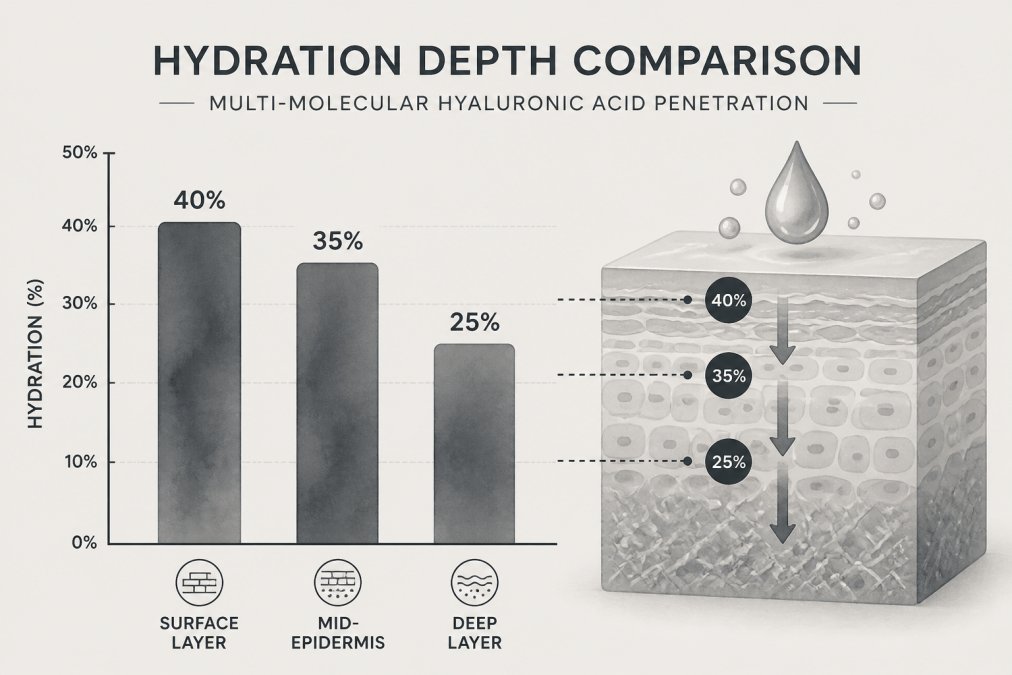
Its multi-molecular-weight hyaluronic acid works at different depths, attracting moisture at the surface while drawing it deeper into the epidermis.
Apply a small amount to clean skin each morning, massage upward until fully absorbed, and follow with SPF. For flaky patches on the face, this cream hydrates without triggering sensitivity reactions.
Bioactive Prebiotics Jelly Serum: Lightweight Barrier Support
The Bioactive Prebiotics Jelly Serum ($16.99) addresses the root of many flaking problems: a weakened skin barrier. Prebiotics feed beneficial bacteria on your skin's surface, strengthening its defense against irritants and moisture loss.
This gel-based serum absorbs in seconds, perfect for layering under other products without feeling sticky or heavy, even in humid climates. Use it morning and evening as the first step after cleansing; hyaluronic acid provides immediate hydration while prebiotics restore your skin's microbiome balance.
This one is gentle enough for reactive skin.
Moisturizer for Sensitive Dry Skin
Sensitive Skin Body Cream: Calming Hydration for Reactive Skin
Sensitive skin that flakes needs moisture without irritation. The Sensitive Skin Body Cream ($20.99) is formulated without common irritants like fragrance, essential oils, or alcohol, making it safe for even the most reactive skin.
Calming ingredients soothe redness and restore skin's natural balance. Cocoa Butter and Shea Butter provide deep hydration. The formula absorbs quickly despite its rich ingredients, so it won't clog or feel heavy. Use it on both face and body, it's gentle enough for daily use in both areas.
This is the moisturizer to reach for when your skin is actively flaking and irritated. It won't sting, burn, or trigger redness. Apply generously after bathing to seal in moisture while your skin is still slightly damp.
Microbiome Prebiotics Face Mist: Barrier Refresh Throughout the Day
The Microbiome Prebiotics Face Mist ($16.99) offers hydration on demand without disrupting makeup or feeling wet.
Spray it 8-10 inches from your face after skincare, at midday when skin feels tight, or after makeup to set your look with a dewy finish. The ultra-fine mist absorbs instantly with zero residue; prebiotics support your skin barrier while hyaluronic acid provides a hydration boost.
For people with flaky skin who work in dry indoor environments (heated offices, air-conditioned spaces), this mist becomes essential.
Cream vs Lotion for Dry Skin: Which Texture Works Best
The texture of your moisturizer matters more than most people realize. A cream is thicker and more occlusive; a lotion is lighter and absorbs faster. For flaky skin, the choice depends on your situation.
Creams can work well for body flaking, especially on elbows, knees, and heels where skin is thicker. Their occlusive nature seals moisture in and creates a protective layer.
Lotions and lightweight gels can work well for facial flaking because they don't clog pores or feel heavy under makeup, and they absorb quickly for layering with serums.
Serums occupy a middle ground: they're lighter than creams but more targeted than standard lotions. The Bioactive Prebiotics Jelly Serum delivers active ingredients deep into skin without surface heaviness.
5% Urea + 2% Panthenol Body Cream →
Intensive Treatment for Very Dry or Flaky Patches
5% Urea + 2% Panthenol Body Cream: Clinical-Strength Hydration
When regular moisturizers aren't working, urea changes the game. The 5% Urea + 2% Panthenol Body Cream ($22.99) is clinically formulated for severely dry, rough, or flaking skin.
Urea works at a cellular level to draw moisture into the skin and soften rough patches, while Hyaluronic Acid locks that hydration in. Panthenol (Vitamin B5) soothes and calms, and supports skin recovery. This is a treatment cream whose active ingredients are designed to deliver deep, lasting hydration.
Apply generously to dry areas after showering while skin is still damp, focusing on elbows, knees, heels, and any patches where flaking is severe. Use daily; many people find they can reduce frequency once their skin recovers.
Anti-Aging Peptide Collection: Multi-Layer Hydration with Firmness Support
The Anti-Aging Peptide Collection ($48.30) is designed for mature skin with both flaking and loss of elasticity. It includes three products: a peptide serum, eye cream, and AM/PM moisturizer.
Peptides are amino acid chains. Combined with hyaluronic acid for hydration and Ginkgo Biloba extract, this collection addresses flaking while targeting fine lines and loss of firmness.
Use the serum morning and evening, the eye cream twice daily, and the AM/PM cream as your final step. This layered approach delivers multi-level hydration and anti-aging support.
How Often to Apply Moisturizer for Flaky Skin
Apply facial moisturizer twice daily: morning after cleansing and night before bed. For flaky facial skin, consistency matters more than quantity, a small amount applied twice daily outperforms a large amount applied once.
For body moisturizers, apply immediately after bathing while skin is still damp, since damp skin absorbs moisturizer more effectively than dry skin. If body flaking is severe, apply again in the evening.
During winter or in dry climates, you may need to increase frequency. If your skin feels tight or flaky by midday, add a hydration boost with the Microbiome Prebiotics Face Mist. This doesn't replace your regular moisturizer; it supplements it.
Key Ingredients That Target Flaky Skin
Three categories of ingredients address flaking at different levels. Humectants draw moisture into skin. Emollients smooth and soften. Occlusives seal everything in place.
Humectants include hyaluronic acid, glycerin, and betaine.
Emollients include shea butter, cocoa butter, argan oil, and plant-based oils.
Occlusives seal moisture in. Urea is an occlusive that also exfoliates gently, removing dead skin while locking in hydration. Panthenol (Vitamin B5) soothes and calms.
Look for a humectant as the primary active, an emollient for texture, and an occlusive to seal everything in. The 5% Urea + 2% Panthenol Body Cream stacks urea (occlusive humectant), hyaluronic acid (humectant), and panthenol (occlusive soother).

When flaking persists despite regular moisturizing, consider whether you need a barrier-repair serum like the Bioactive Prebiotics Jelly Serum before your cream.
Flaky skin is frustrating. The moisturizers we've covered address different causes and severity levels, from daily maintenance to intensive treatment.
At Regnal Radiance, we believe flaky skin deserves more than generic hydration. Whether you choose the Moisturizing Day Cream for daily facial care, the Sensitive Skin Body Cream for reactive skin, or the intensive 5% Urea + 2% Panthenol Body Cream for severe flaking, you're investing in products thoughtfully designed to serve all skin types with care and efficacy. Add the right moisturizer to your routine and watch your skin transform from flaky and tight to smooth and supple.
Frequently Asked Questions
What is the best moisturizer for flaky skin?
The best moisturizer for flaky skin depends on severity and sensitivity. For mild flaking, the Moisturizing Day Cream ($16.99) with multi-molecular hyaluronic acid works well for daily face care. For sensitive, reactive skin, the Sensitive Skin Body Cream ($20.99) soothes while hydrating. For very dry, rough patches, the 5% Urea + 2% Panthenol Body Cream ($22.99) delivers intensive hydration that penetrates thickened skin. Choose based on your skin's reactivity and the affected area (face versus body).
What ingredients should you look for in a moisturizer for flaky skin?
Look for three ingredient categories: humectants (hyaluronic acid, glycerin, betaine) that draw moisture into skin; emollients (shea butter, cocoa butter, argan oil) that soften and smooth; and occlusives (urea, panthenol) that seal hydration in. Urea works at a cellular level to draw moisture into the skin and soften rough patches. Prebiotics support and balance your skin barrier's natural microbiome. Avoid heavy fragrances or denatured alcohols that can trigger irritation.
How often should you apply moisturizer to flaky skin?
Apply moisturizer twice daily: morning and evening, ideally to damp skin to lock in water. For very dry or flaky areas, apply an extra layer or use a richer formula like the 5% Urea cream in the evening. During dry seasons or in harsh climates, you may need to apply more frequently throughout the day. The Microbiome Prebiotics Face Mist ($16.99) can refresh skin midday without disrupting makeup.
Is cream or lotion better for flaky skin?
Creams are generally better for flaky skin because they contain more emollients and occlusives that seal in moisture, while lotions are lighter and water-based. However, the right choice depends on your skin's sensitivity. If you have reactive skin, a lighter fast-absorbing cream like the Sensitive Skin Body Cream works without feeling heavy. For very dry patches, a richer cream like the 5% Urea formula penetrates and hydrates more effectively. Combination approach: use a lightweight serum or mist first, then seal with a cream.
When should you see a dermatologist about persistent flaky skin?
Seek professional advice if flaky skin persists beyond two weeks despite consistent moisturizing, if it spreads to new areas, causes severe itching or pain, shows signs of infection (oozing, warmth, swelling), or is accompanied by redness that doesn't improve with gentle products. If your skin reacts negatively to multiple moisturizers, a dermatologist can identify the underlying cause and recommend safe alternatives suited to your condition.